

Shoulder
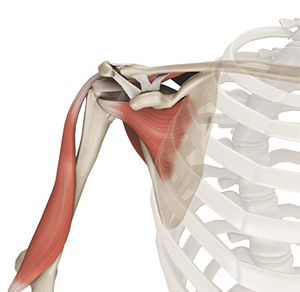
Anatomy of the Shoulder
The shoulder is the most flexible joint in the body that enables a wide range of movements including forward flexion, abduction, adduction, external rotation, internal rotation, and 360-degree circumduction.
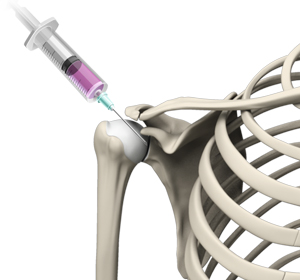
Intraarticular Shoulder Injection
The shoulder is prone to different kinds of injuries and inflammatory conditions. An intraarticular shoulder injection is a minimally invasive procedure to treat pain and improve shoulder movement. It may be performed with the help of ultrasound or fluoroscopic imaging which allows your physician to precisely target the intraarticular space.

Non-surgical Shoulder Treatments
Rest plays an important role in restoring shoulder health and shouldn’t be taken lightly. Usually, a sling is worn to keep the arm immobile and stable. You should try to avoid using the injured arm as straining the injured shoulder may lead to future complications. Physical rest can also help keep inflammation under control.
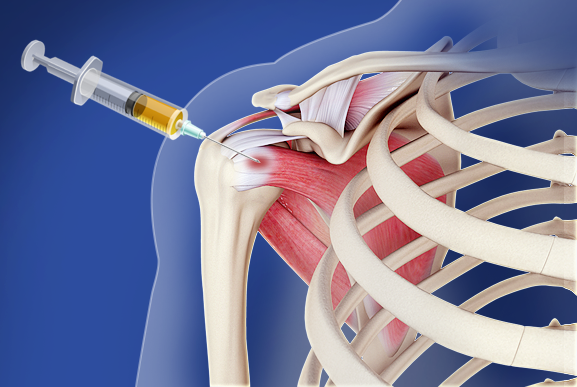
Ultrasound-Guided Shoulder Injections
An ultrasound is a common imaging technique that employs high-frequency sound waves to create images of organs and other internal structures of the body. These images provide valuable information about the underlying pathology of tissues and assists with diagnosis and planning the treatment of a condition.
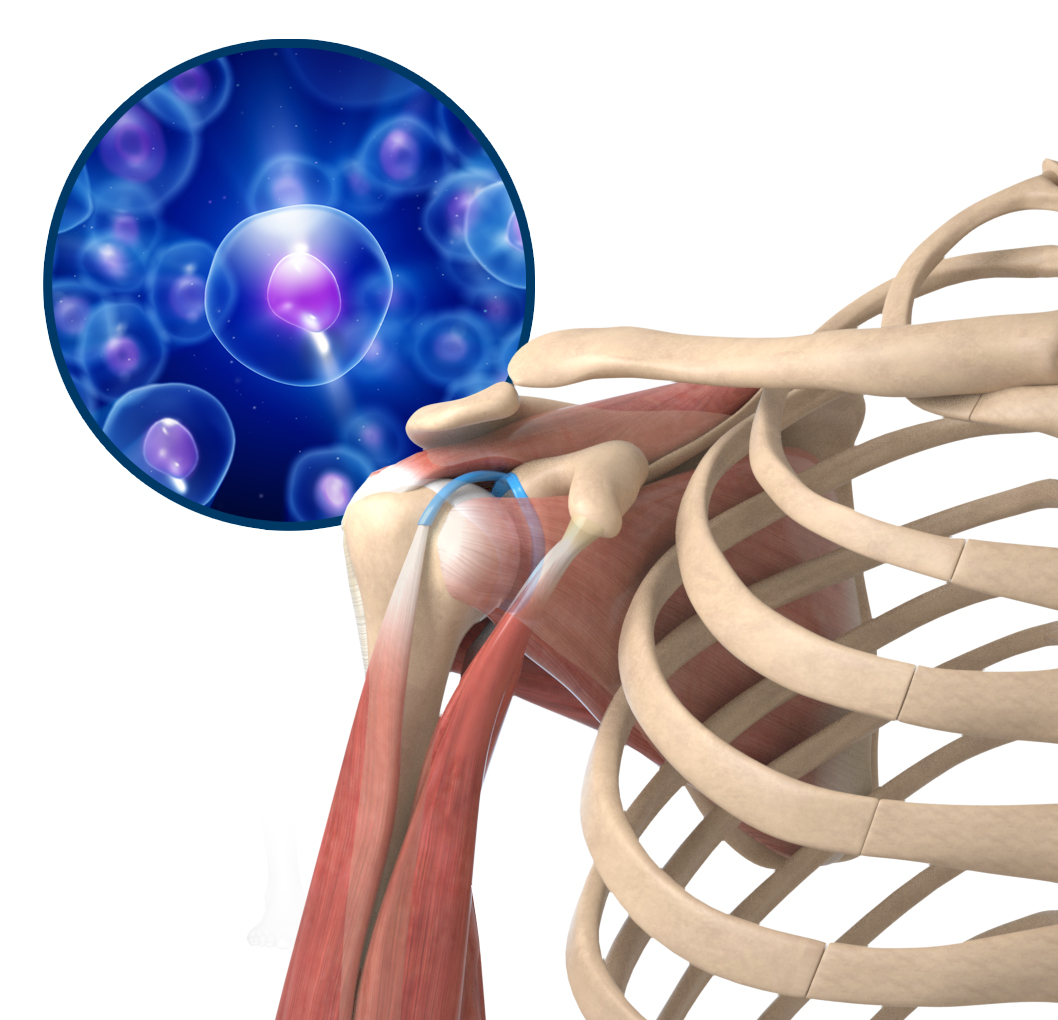
Orthobiologics Treatment for the Shoulder
Orthobiologics are products made from biological substances naturally found in the body. They are used by orthopedic surgeons to improve the healing of musculoskeletal tissues such as tendons, muscle or bone.
Platelet-Rich Plasma (PRP) for the Shoulder
Platelet-Rich Plasma (PRP) therapy is a regenerative treatment option that involves injecting a concentrated solution of platelets obtained from the patient's own blood into the shoulder joint. This therapy can be used to promote healing, reduce inflammation, and relieve pain associated with shoulder injuries and conditions.
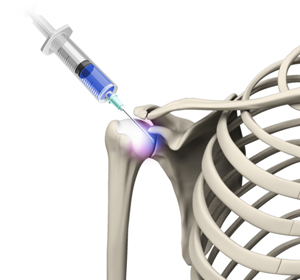
Viscosupplementation for Shoulder Arthritis
Viscosupplementation is a minimally invasive procedure that involves the injection of a hyaluronic acid preparation into the shoulder to treat arthritis. Hyaluronic acid is a naturally occurring substance which is present in the joint fluid that acts as a shock absorber and enhances lubrication.
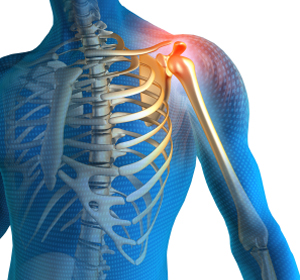
Shoulder Pain
Pain in the shoulder may suggest an injury, which is more common in athletes participating in sports such as swimming, tennis, pitching, and weightlifting. The injuries are caused due to the over usage or repetitive motion of the arms.
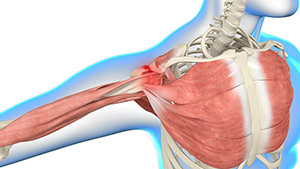
Shoulder Impingement
Shoulder impingement is the inflammation of the tendons of the shoulder joint. It is one of the most common causes of pain in the shoulder. Shoulder impingement is also called swimmer’s shoulder, tennis shoulder or rotator cuff tendinitis.
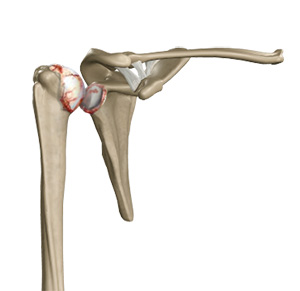
Arthritis of the Shoulder
The term arthritis literally means inflammation of a joint but is generally used to describe any condition in which there is damage to the cartilage. Damage of the cartilage in the shoulder joint causes shoulder arthritis.
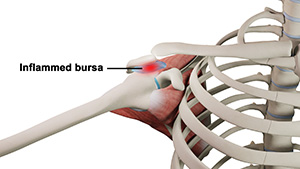
Shoulder Bursitis
Shoulder bursitis, also known as subacromial bursitis, is a condition characterized by pain and inflammation in the bursa of the shoulder. The bursa is a fluid-filled sac present between the bone and soft tissue that acts as a cushion and helps to reduce friction during movement.
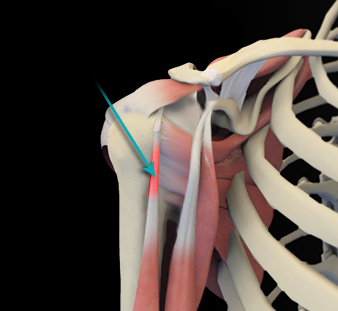
Shoulder Tendonitis
Shoulder tendonitis is a condition characterized by inflammation of the tendons which connect the muscles to the shoulder bones. Tendonitis of the rotator cuff tendons is known as rotator cuff tendonitis. If the biceps tendon is affected, the condition is known as bicipital tendonitis.
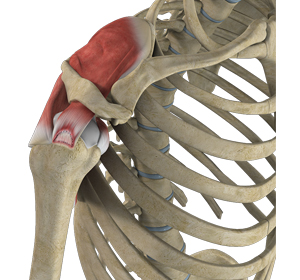
Partial Rotator Cuff Tear
A partial rotator cuff tear is an incomplete tear that involves damage to a part of the tendon. The tear can be at the top, bottom or inner side of the tendon and does not go all the way through the tendon completely.
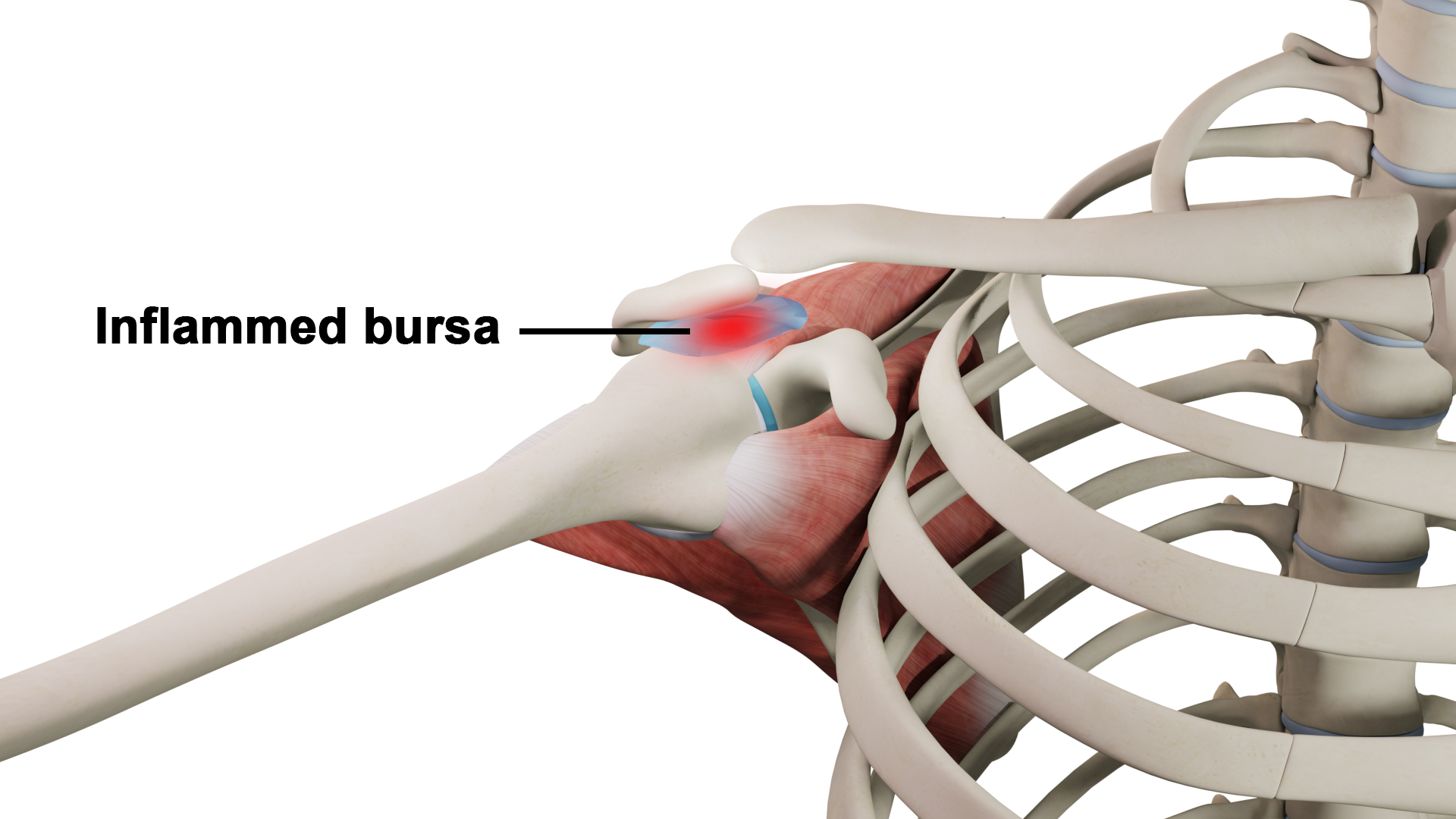
Rotator Cuff Bursitis
The rotator cuff is a set of muscles and tendons which hold the various bones of the shoulder joint together, providing strength and support. Inflammation of the bursa, a fluid-filled sac between the rotator cuff tendons and a bony process at the top of the shoulder called the acromion, is known as shoulder bursitis or rotator cuff bursitis
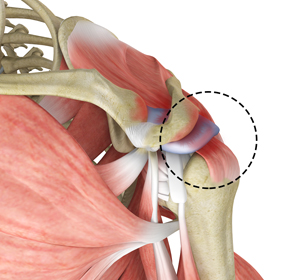
Rotator Cuff Pain
The rotator cuff consists of a group of tendons and muscles that surround and stabilize the shoulder joint. These tendons allow a wide range of movement of the shoulder joint across multiple planes. Irritation or injury to these tendons can result in rotator cuff pain.