

Elbow
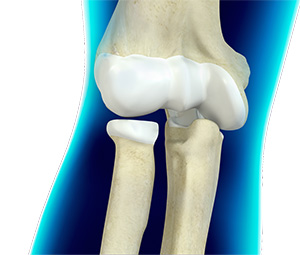
Anatomy of the Elbow
The elbow is a complex joint formed by the articulation of three bones – the humerus, radius, and ulna. The elbow joint helps in bending or straightening of the arm to 180 degrees and lifting or moving objects.
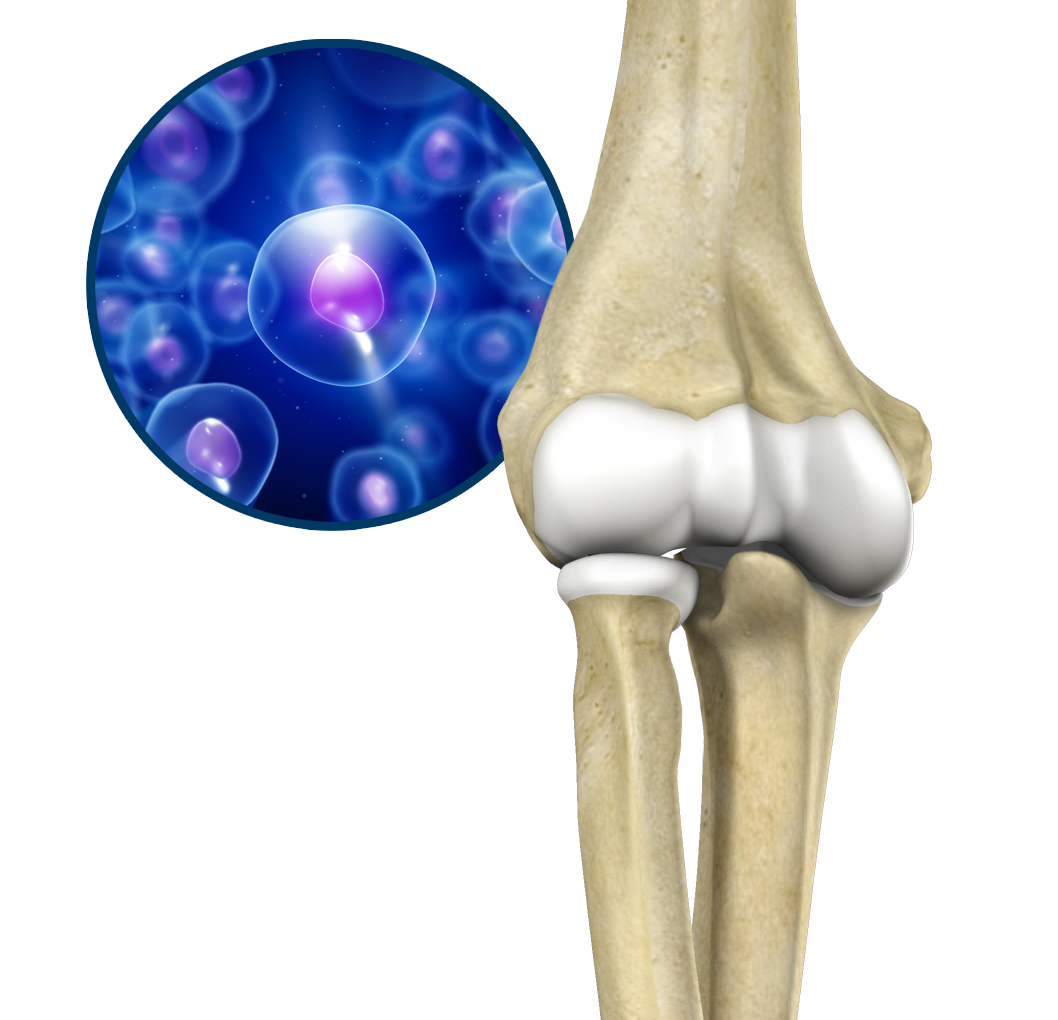
Orthobiologic Treatments for the Elbow
Orthobiologics are natural substances such as cells, blood components and growth factors that are typically used to speed up the healing of damaged tissues such as bones, muscles, tendons and ligaments. Orthobiologics may be obtained from your own body or a donor and are usually administered in the form of injections.
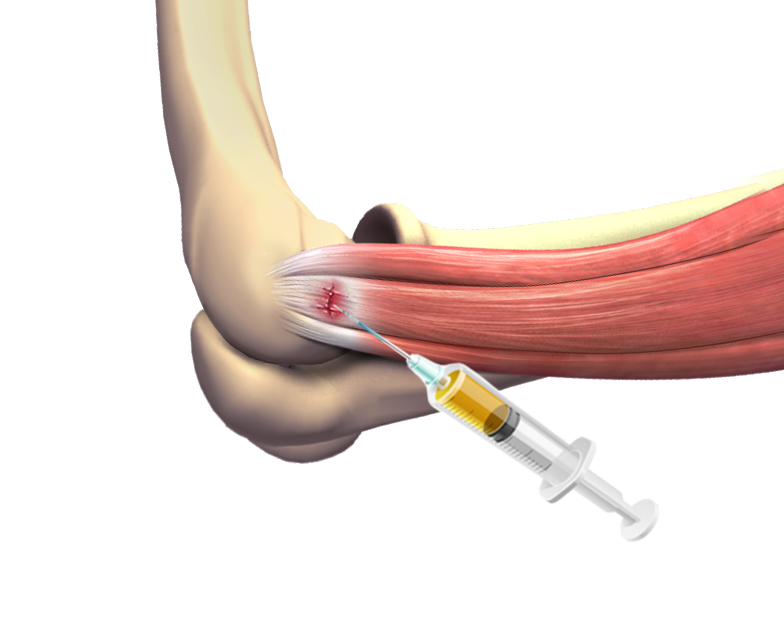
Platelet-Rich Plasma (PRP) for the Elbow
Platelet-Rich Plasma (PRP) therapy is a cutting-edge treatment option that involves injecting a concentrated solution of platelets obtained from the patient's own blood into the elbow joint. This therapy can be used to promote healing, reduce inflammation, and relieve pain associated with elbow injuries and conditions.
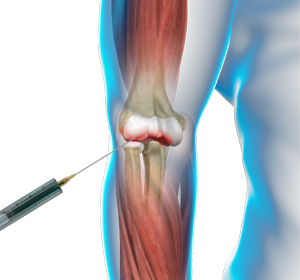
Viscosupplementation for Elbow Arthritis
Viscosupplementation is a minimally invasive procedure that involves the injection of a hyaluronic acid preparation into the elbow joint to treat arthritis. Hyaluronic acid is a naturally occurring substance which is present in the joint fluid that acts as a shock absorber and enhances lubrication.
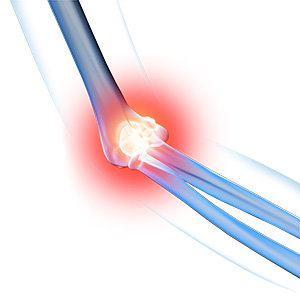
Elbow Pain
The elbow is a hinge joint made up of 3 bones – the humerus, radius, and ulna. The bones are held together by ligaments to provide stability to the joint. Muscles and tendons move the bones around each other and help in performing various movements. Nerves pass through the joint.
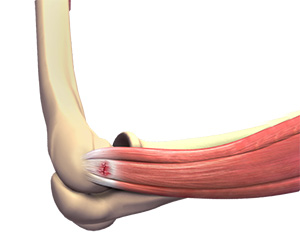
Tennis Elbow
Tennis elbow is a common name for the elbow condition lateral epicondylitis. It is an overuse injury that causes inflammation and microtears of the tendons that attach to the lateral epicondyle.
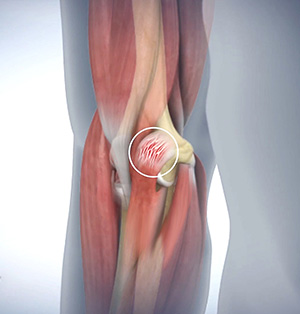
Golfers Elbow
Golfer’s elbow, also called medial epicondylitis, is a painful condition occurring from repeated muscle contractions in the forearm that leads to inflammation and microtears in the tendons that attach to the medial epicondyle.